Hello Emma.
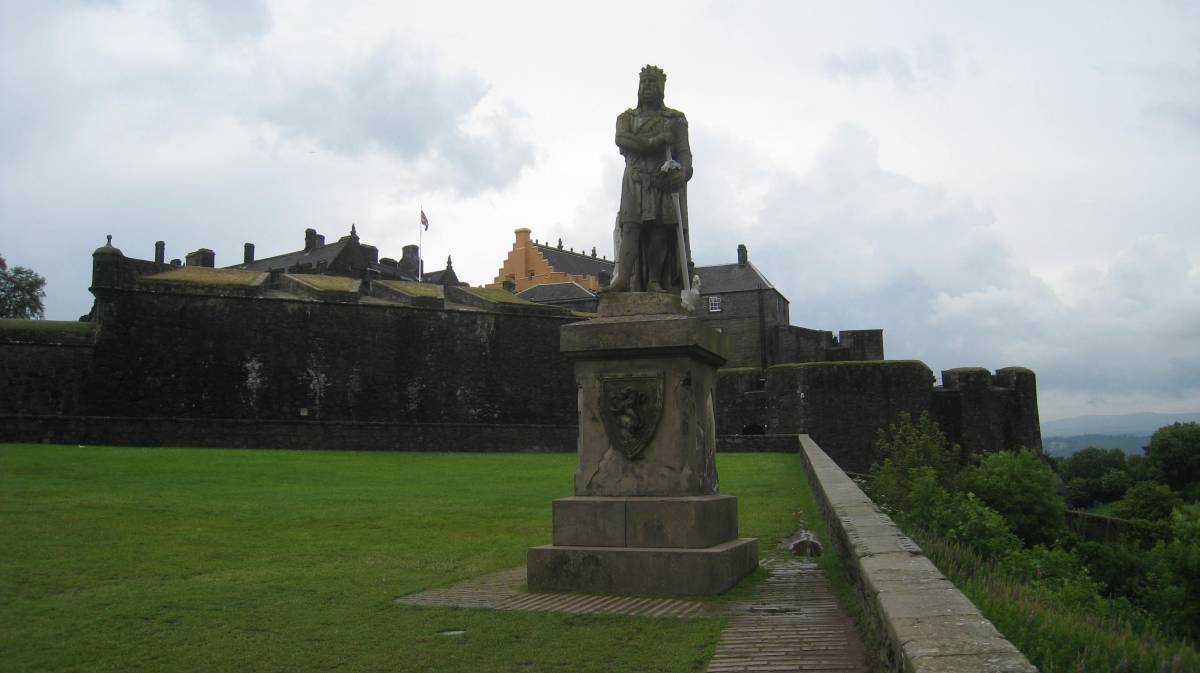
I used to wonder why Robert was referred to as Robert The Bruce until I discovered that the family name was de Bruis because they had come from Brus in Brittany. The Norman conquest resulted in many Bretons, Normans and Flemings who wanted to improve their fortunes arriving in England and Scotland. It is interesting that three adventurers from Brittany and Flanders were the ancestors of three royal houses of Scotland. The Balliols, the Bruces and the Stewarts acquired land first in England and then in Scotland by serving the Norman kings of England. The name Bruce, which the English seem to think is the most typical name for an Australian, and which we think of as Scottish, is actually Norman-French. The families of Balliol, Bruce and Stewart soon owned land in France, England and Scotland. This resulted in various members of these families sometimes fighting for the kings of each country. Because the Bruces did not want to lose their lands in England they sometimes supported the English king. John Balliol was appointed King of Scotland by the English King Edward I when the Scots could not decide who should be king after their royal family of MacAlpin had died out. John was in an alliance with the French king who, together with some Scottish nobles, caused John to be drawn into a war with Edward. Robert The Bruce had supported King Edward against the John Balliol. Later, he joined in Scottish rebellions against Edward. It was not until the time of Edward II that Bruce was able to gain the Scottish throne. When his male descendants died out, the throne went to his grandson, Robert Stewart, who began the Stewart line of kings. Thus descendants of men from Bailleul, Brus and Dol had become kings of Scotland.
 grand tour of the middling sort
Hello Emma.
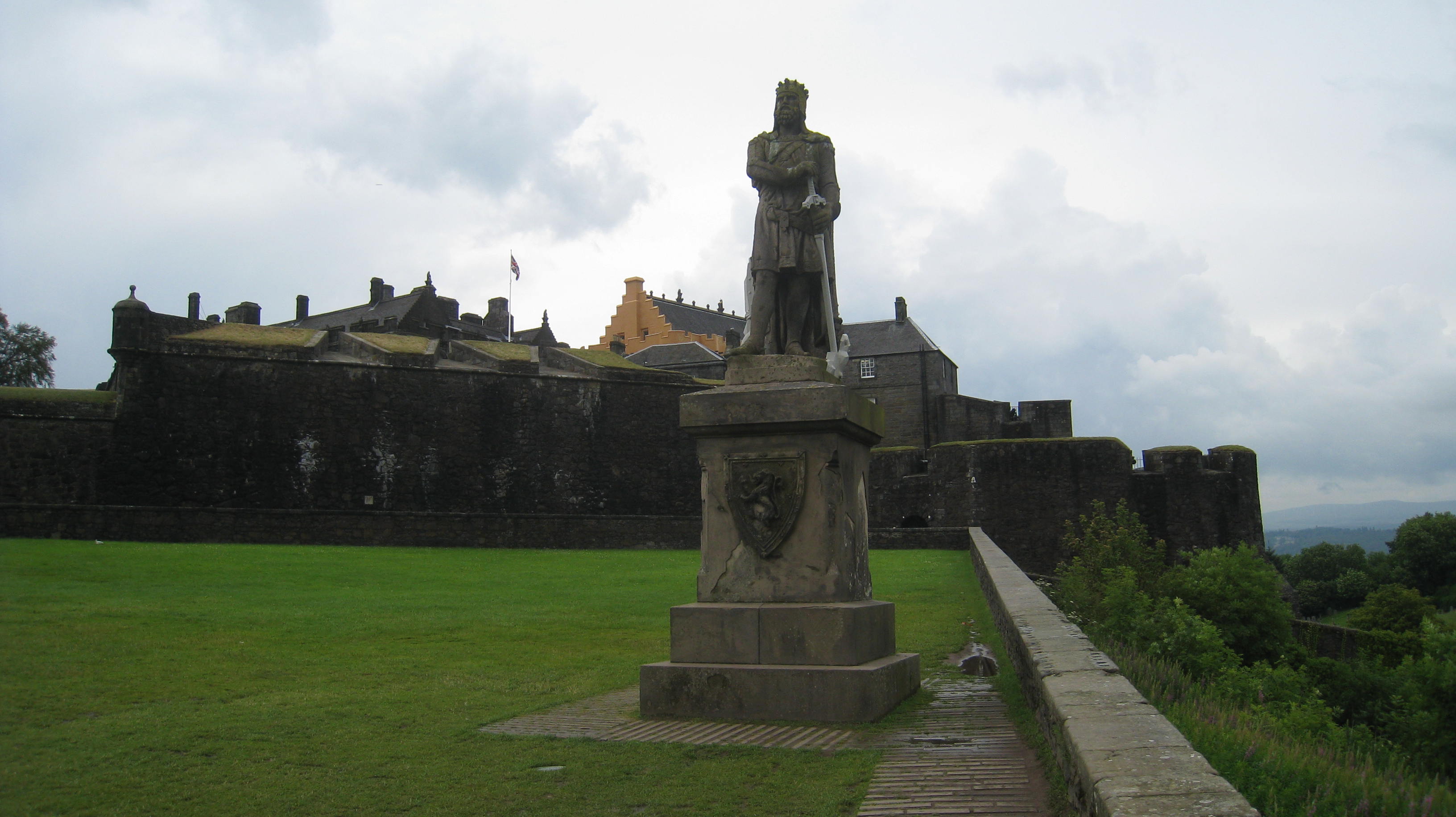
I used to wonder why Robert was referred to as Robert The Bruce until I discovered that the family name was de Bruis because they had come from Brus in Brittany. The Norman conquest resulted in many Bretons, Normans and Flemings who wanted to improve their fortunes arriving in England and Scotland. It is interesting that three adventurers from Brittany and Flanders were the ancestors of three royal houses of Scotland. The Balliols, the Bruces and the Stewarts acquired land first in England and then in Scotland by serving the Norman kings of England. The name Bruce, which the English seem to think is the most typical name for an Australian, and which we think of as Scottish, is actually Norman-French. The families of Balliol, Bruce and Stewart soon owned land in France, England and Scotland. This resulted in various members of these families sometimes fighting for the kings of each country. Because the Bruces did not want to lose their lands in England they sometimes supported the English king. John Balliol was appointed King of Scotland by the English King Edward I when the Scots could not decide who should be king after their royal family of MacAlpin had died out. John was in an alliance with the French king who, together with some Scottish nobles, caused John to be drawn into a war with Edward. Robert The Bruce had supported King Edward against the John Balliol. Later, he joined in Scottish rebellions against Edward. It was not until the time of Edward II that Bruce was able to gain the Scottish throne. When his male descendants died out, the throne went to his grandson, Robert Stewart, who began the Stewart line of kings. Thus descendants of men from Bailleul, Brus and Dol had become kings of Scotland.